Rovinj-Rovigno and its population have always been oriented toward the sea. From the 17th to the mid-19th century, Rovinj-Rovigno was the most significant center of Istrian seamanship, fishing, and small shipbuilding. In the mid-17th century, Rovinj had around 10,000 inhabitants, with 150 fishing vessels and approximately 500 people employed in the fishing sector. It also had 50 merchant ships with around 200 employees. Of all the historical boats, only the batana—one of the recognizable symbols of the town of Rovinj-Rovigno—along with a few pasara and guc boats, has survived to this day. The batana reflects the continuity of local tangible and intangible maritime and fishing heritage, as well as the everyday life of the local population along the coast.
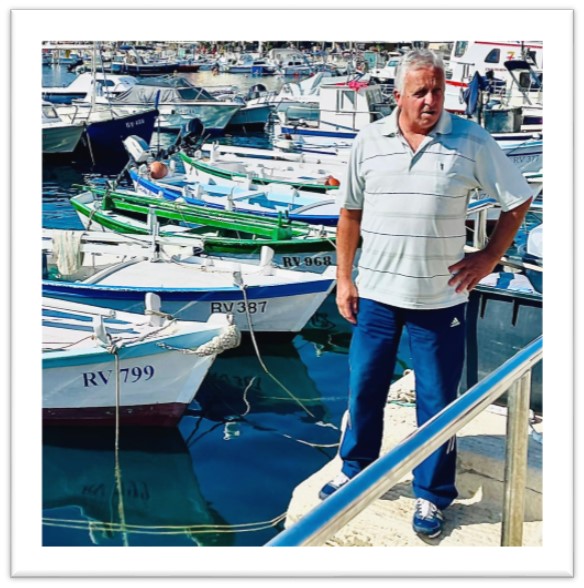
Many more historical facts about the rich maritime heritage of Rovinj-Rovigno, its development throughout history, and the important role it plays in shaping the identity of the local community will be shared during the lecture by Prof. Marino Budicin titled "From the Maritime and Fishing Heritage of Rovinj-Rovigno to the Batana Ecomuseum". The lecture will take place on Friday, July 31, at Spacio Matika (Švalbina Street No. 35), starting at 6 PM.
The lecture is being held as part of the mentoring program of the project TRANS MARIS – TRANSmitting MARitime Intergenerational Skills for a Sustainable Cultural-Tourism Development Model, which promotes the transfer of maritime knowledge and skills between generations, as well as the valorization of the shared maritime heritage of the Adriatic.
The lecture is open to everyone interested. Join us and discover the rich maritime history and traditional maritime culture of Rovinj-Rovigno from the perspective of one of its finest experts.